(424) 478-9362

Your Face is a Work of Art at Sunder Plastic Surgery

Discover how Sunder Plastic Surgery can help you achieve the nose you've always dreamed of, restoring facial harmony as well as your confidence in the process. We understand that looking and feeling your best are intimately connected. Our practice is dedicated to helping you rediscover your confidence. Led by Dr. Sarmela Sunder, as one of the few double-board-certified female facial plastic surgeons in Beverly Hills, we specialize in combining cosmetic artistry with innovative expertise to provide transformative results. With Dr. Sunder, your experience is artfully and carefully personalized, and your results are crafted with the expertise only a true expert can provide.

Rhinoplasty Overview

What is Rhinoplasty?

Rhinoplasty, commonly known as a "nose job," is a surgical procedure aimed at altering the shape and appearance of the nose. It involves reshaping the bone and cartilage structures of the nose to achieve a more balanced and proportionate facial harmony. There are two primary approaches to rhinoplasty: external, known as "open rhinoplasty," and endonasal, called "closed rhinoplasty." Whether addressing aesthetic concerns or functional issues, rhinoplasty can help individuals achieve their desired nasal appearance, leading to increased self-confidence and satisfaction with their overall facial aesthetics.
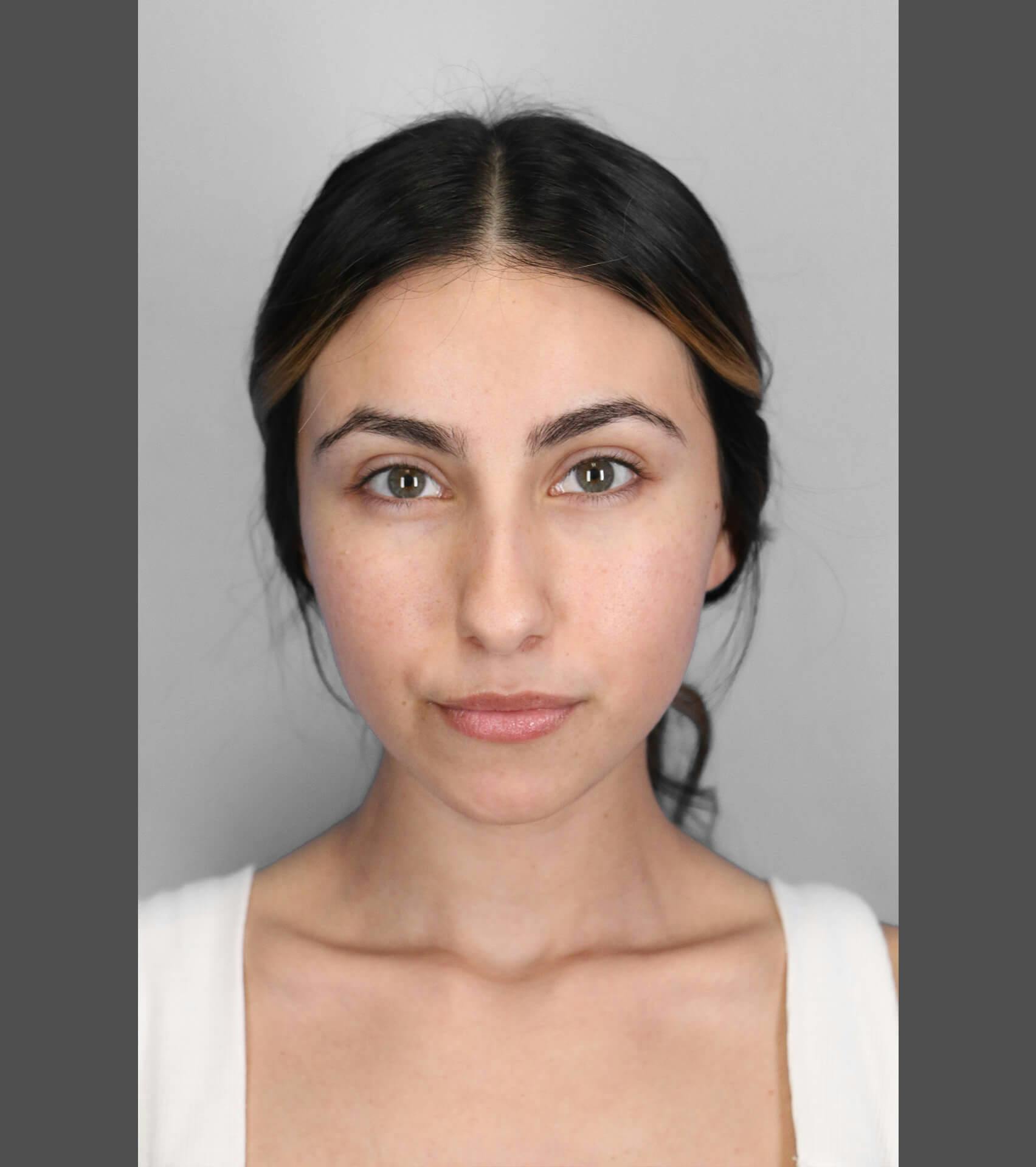
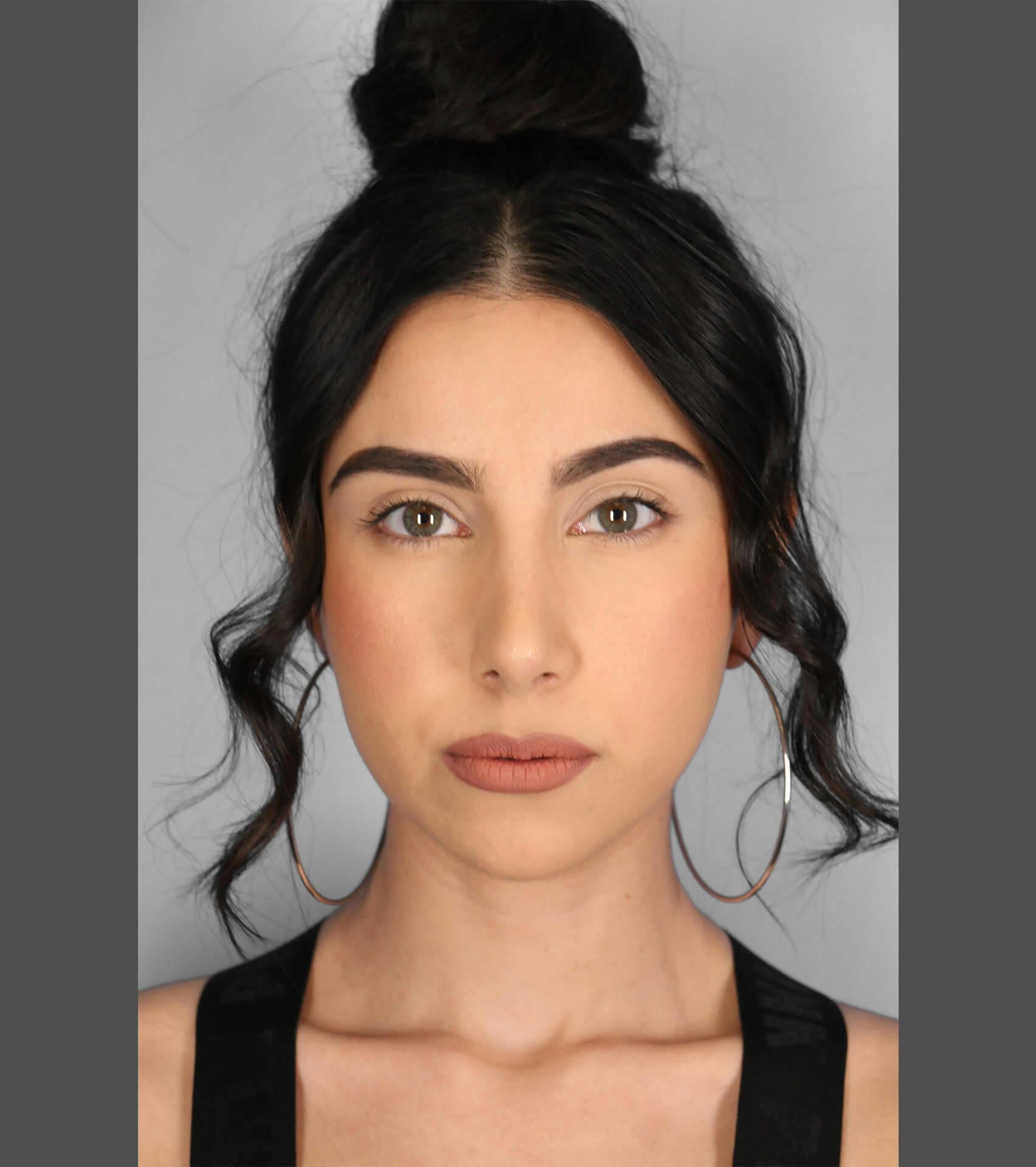
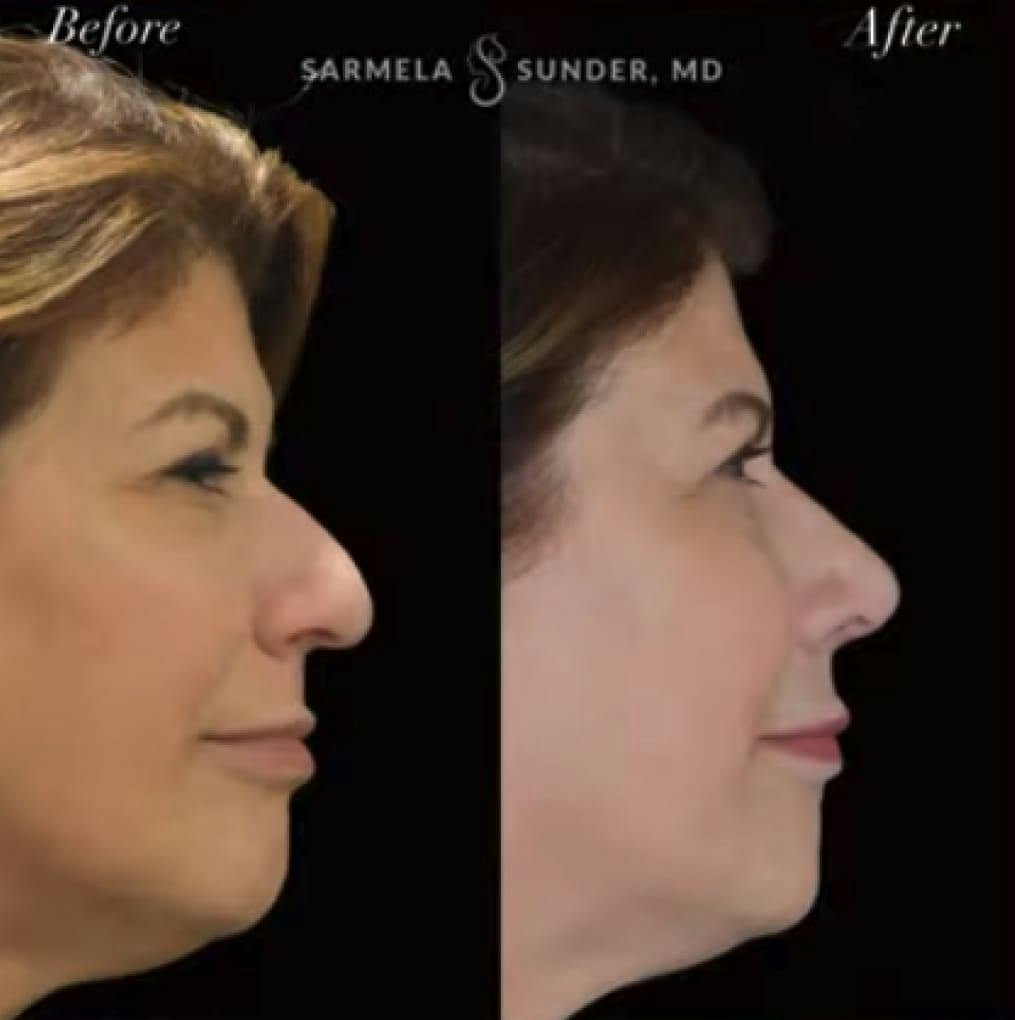
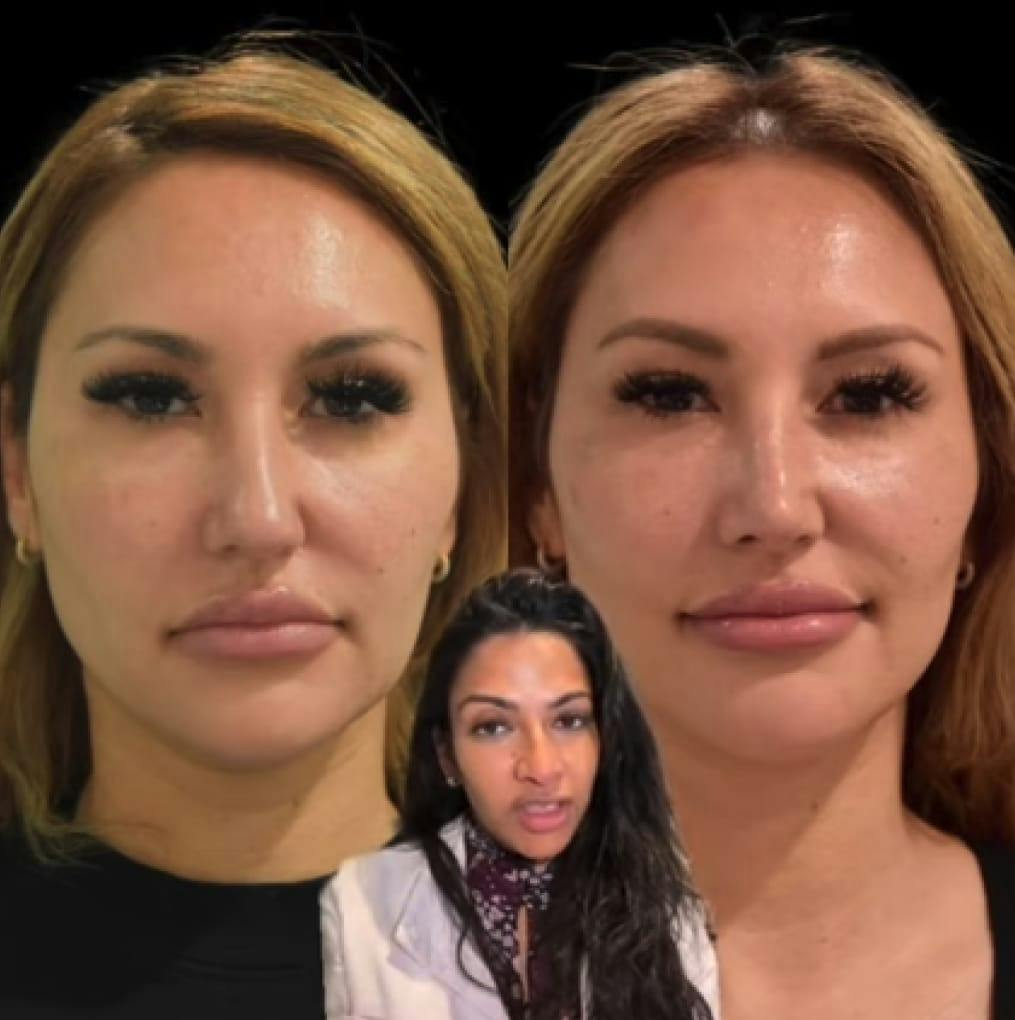
Before & After Rhinoplasty

View Gallery

The Benefits of Rhinoplasty

The transformative power of rhinoplasty stretches beyond shaping the nose – this transformative procedure can reshape your self-esteem and give you a boost in your general quality of life. Sunder Plastic Surgery offers a personalized approach to rhinoplasty, ensuring that your unique facial features are enhanced for a more elegant look while maintaining your natural beauty. Benefits of Rhinoplasty include:

Enhanced Facial Harmony

Rhinoplasty brings balance and proportion to your facial features, ensuring that your nose complements the rest of your face harmoniously.

Improved Nasal Function

In addition to aesthetic enhancements, rhinoplasty can also address functional issues like breathing difficulties caused by structural abnormalities.

Boosted Confidence

Achieving the desired nasal appearance can lead to increased self-esteem and confidence in your overall appearance.

Correction of Imperfections

Whether you're addressing a bump on the bridge, a drooping tip, or uneven nostrils, rhinoplasty offers precise corrections to refine your nasal contours.

Personalized Results

Each rhinoplasty procedure is tailored to your unique facial characteristics and desired outcomes, ensuring a natural-looking result that enhances your features.

Cost of Rhinoplasty

At Sunder Plastic Surgery, Rhinoplasty is offered with prices typically ranging from $15,000 to $28,000. This transformative procedure is tailored to enhance nasal aesthetics, addressing concerns such as shape, size, and symmetry. The cost reflects our dedication to utilizing advanced surgical techniques and providing personalized care to achieve harmonious facial proportions and natural-looking results. Contact us to schedule a consultation and learn more about how Rhinoplasty can help you achieve your desired nasal appearance.

Is Rhinoplasty Right for You?

Even subtle adjustments to the shape, size, or structure of your nose can dramatically elevate your overall facial balance. Whether driven by cosmetic goals, functional breathing issues, or trauma recovery, rhinoplasty is designed to create a natural, harmonious profile tailored to your unique anatomy.

You may be an ideal candidate for rhinoplasty if you wish to address:

  • Aesthetic Concerns: A dorsal hump on the bridge, a drooping, bulbous, or over-projected tip, asymmetrical nostrils, a wide bridge, or structural crookedness.
  • Functional Concerns: Chronic nasal congestion, a deviated septum, or impaired nasal airflow that impacts sleep and physical activity.
  • Reconstructive Needs: Structural damage or cosmetic changes resulting from prior facial trauma, sports injuries, or congenital irregularities.

The Rhinoplasty Process: What to Expect

Whether you want to achieve aesthetic refinement, reconstructive enhancement, or easier breathing, rhinoplasty is designed to provide your ideal results. During your consultation, Dr. Sunder will thoroughly assess your concerns, facial anatomy, and desired outcomes. She will help you understand the potential changes that can be achieved, addressing factors like the height of the nasal bridge, tip projection, and nostril width. Based on your unique needs, Dr. Sunder will determine the most suitable rhinoplasty technique to attain your goals while maintaining the harmony of your facial features.

On the day of the procedure, you'll be comfortably under anesthesia to ensure your experience is pain-free. Your bespoke surgical plan will be executed with meticulous care. In an open rhinoplasty, a small, carefully hidden external incision may be made to access and reshape the underlying structures, while a closed approach involves incisions placed inside the nostrils. Dr. Sunder’s surgical expertise ensures a precise and transformative outcome in addressing nasal bridge concerns, tip refinement, or other specific adjustments. After the procedure, a splint may be applied to maintain the new shape during healing.

Banner media

Rhinoplasty Recovery Timeline

Days 1–3:

  • Immediate Post-Op & Protected Rest: Peak swelling, head elevation, and dedicated rest.
  • Physical Manifestations: Nasal congestion, tightness, facial pressure, and peak swelling around the cheeks and lower eyelids. Light oozing is typical.
  • Care & Activity Rules: Rest with your head elevated on 2 to 3 pillows or a wedge pillow. Apply cold compresses strictly to the cheeks (never directly on the nasal bridge or splint).
  • Restrictions: Do not blow your nose. Sneeze through an open mouth to relieve pressure. Avoid bending over, heavy lifting, or touching the nasal area.

Days 5–7: 

  • Cast & Splint Removal: First follow-up visit and initial reveal.
  • Milestones: In-office appointment with Dr. Sunder to remove the protective external splint and any internal supports or columellar sutures.
  • What to Expect: The nose will look visibly swollen, wide, and slightly turned up—this is completely expected as tissues adapt to the removal of compression. Under-eye bruising turns yellow-green and begins fading rapidly.
  • Care & Activity Rules: Light walking is encouraged to promote blood circulation. Gentle nasal saline sprays can be started once cleared by Dr. Sunder.

Weeks 2–3: 

  • Social Presentability & Back to Work: Return to daily routines and public outings.
  • Milestones: Most patients return to work, school, and desk activities around days 10 to 14.
  • What to Expect: Major bruising and initial swelling fade significantly. Residual swelling remains along the nasal bridge and tip, but the nose looks natural enough for casual social settings without attracting attention.
  • Restrictions: Avoid direct pressure on the nasal bridge (such as resting heavy eyeglasses or sunglasses on the nose). Avoid strenuous exercise that spikes blood pressure.

Weeks 4–6:

  • Clearance for Exercise & Structural Stability: Resuming workouts and early contour definition.
  • Milestones: Most patients are cleared to resume gym workouts, cardio, and moderate physical activities.
  • What to Expect: Roughly 70% to 80% of major surgical swelling resolves. The structural shape becomes clearer, and nasal breathing pathways feel open and stable.
  • Restrictions: Avoid high-impact contact sports or activities with a risk of facial trauma. Continue wearing broad-spectrum SPF and wide-brimmed hats to prevent hyperpigmentation on sensitive post-surgical skin.

Months 2–6:

  • Intermediate Tip & Soft Tissue Refinement: Subtle structural changes and tissue settling.
  • What to Expect: Swelling continues to subside, particularly along the nasal bridge. The nasal tip—holding fluid longest due to gravity and thicker skin, gradually becomes more defined and less rigid.
  • Nuance: Minor day-to-day fluctuations in tip swelling can occur based on exercise intensity, high-sodium intake, hot weather, or morning fluid retention. Any temporary numbness along the tip gradually dissipates as nerves regenerate.

Months 9–12+:

  • Complete Tissue Maturation & Final Results: Final contour definition and structural permanence.
  • Milestones: Deep internal tissues, skin envelope, and reconstructed cartilage framework fully settle and mature.
  • Final Outcome: The final tip definition, subtle contour refinement, and balanced aesthetic harmony with the rest of your facial features are fully realized. Patients with thicker nasal skin may experience subtle tip refinement continuing up to 18 months.
Doctor media

Why Choose Dr. Sunder for Your Rhinoplasty?

Rhinoplasty is widely recognized as the most complex procedure in cosmetic surgery, in which millimeter-level adjustments can dictate both your aesthetic outcome and your ability to breathe. Selecting Sunder Plastic Surgery means placing your care in the hands of Dr. Sarmela Sunder, one of the few double board-certified female facial plastic surgeons in Beverly Hills. Her specialized focus on facial anatomy ensures your surgical journey is defined by surgical precision, structural longevity, and natural results.

What Sets Dr. Sunder's Approach Apart

  • Double Board-Certified Facial Expertise: Dedicated exclusively to the face and neck, Dr. Sunder combines deep anatomical mastery with an artistic eye tuned to natural facial balance.
  • Form & Function Synergy: Every procedure is tailored to enhance nasal aesthetics, refining bridge humps, tip projection, or symmetry, while simultaneously preserving or improving internal breathing pathways.
  • Bespoke Surgical Planning: Rather than applying a one-size-fits-all approach, Dr. Sunder customizes each open or closed approach to your skin thickness, cartilage integrity, and personal goals.
  • Female Perspective & Compassionate Care: Known for her warm, meticulous, and communicative approach to patient care, Dr. Sunder ensures you feel fully informed, comfortable, and heard at every step of your care.

Experience the Art of Facial Harmony

Your rhinoplasty is more than an aesthetic refinement; it is a collaborative experience designed to enhance your confidence and restore balance to your face.

Ready to explore your options with a trusted Beverly Hills specialist?

Contact Us Today

Rhinoplasty FAQs

How does Dr. Sunder's approach to rhinoplasty differ for thick vs. thin nasal skin?

Can open or closed rhinoplasty alter the sound or resonance of my voice?

How does female facial anatomy influence the design of a rhinoplasty profile compared to male anatomy?

What precautions are taken to prevent airway collapse or long-term breathing issues after aesthetic reshaping?

When is revision rhinoplasty required, and how does scar tissue complicate secondary surgery?

How do non-surgical liquid rhinoplasties compare to surgical rhinoplasty, and when is filler inappropriate?

How does Dr. Sunder's approach to rhinoplasty differ for thick vs. thin nasal skin?

Nasal skin thickness significantly impacts both surgical technique and healing. Thinner skin highlights minute underlying cartilaginous changes but carries a higher risk of showing subtle imperfections, requiring precise structural grafting. Thicker skin hides minor cartilaginous adjustments, so structural support must be explicitly built up to create defined contours, and postoperative swelling often takes longer to fully resolve.

Can open or closed rhinoplasty alter the sound or resonance of my voice?

While minor cosmetic changes to the bridge or tip generally do not affect vocal acoustics, functional adjustments (such as septoplasty or turbinate reduction) increase airflow through the nasal passages. This expanded resonance space can slightly reduce nasal airflow resistance and alter voice resonance, a consideration particularly relevant for singers, public speakers, and vocal performers.

How does female facial anatomy influence the design of a rhinoplasty profile compared to male anatomy?

Achieving natural facial harmony requires distinct artistic considerations based on gender anatomical norms. Feminine rhinoplasty typically emphasizes a slightly softer nasal bridge, a gentler supratip break, and a slightly higher tip rotation angle (around 95° to 105°). Masculine rhinoplasty focuses on maintaining a straight, strong bridge and a neutral tip angle (around 90° to 95°) to avoid an over-rotated or feminine appearance.

What precautions are taken to prevent airway collapse or long-term breathing issues after aesthetic reshaping?

Aesthetic reduction without structural reinforcement can compromise the internal or external nasal valves over time. Techniques such as spreader grafts, lateral crural turn-in grafts, or alar batten grafts are utilized to preserve or reinforce structural support. This ensures that narrowing or reshaping the nose improves or maintains airflow without causing dynamic airway collapse during deep inhalation.

When is revision rhinoplasty required, and how does scar tissue complicate secondary surgery?

Revision rhinoplasty may be considered if previous surgeries resulted in persistent asymmetry, breathing obstruction, or unnatural structural collapse. Secondary procedures are inherently more complex due to altered blood supply, distorted anatomical landmarks, and dense internal scar tissue. They often require specialized cartilage grafting (harvested from the septum, ear, or rib) to reconstruct the nasal framework.

How do non-surgical liquid rhinoplasties compare to surgical rhinoplasty, and when is filler inappropriate?

Dermal fillers can temporarily disguise minor dorsal humps or lift the appearance of a drooping tip by adding volume. However, liquid rhinoplasty cannot reduce nose size, narrow wide nostrils, or fix structural breathing defects. Furthermore, fillers carry specific vascular risks in the nasal region, making surgical rhinoplasty the definitive choice for long-term structural reduction, functional improvement, and precise spatial refinement.

Contact us media
Accessibility: If you are vision-impaired or have some other impairment covered by the Americans with Disabilities Act or a similar law, and you wish to discuss potential accommodations related to using this website, please contact our Accessibility Manager at 310-765-5110.
Contact Us